
Watershed and NRM
Bhartiya Bahuuddeshiya Khadi and Gramodyog Shikshan Sanstha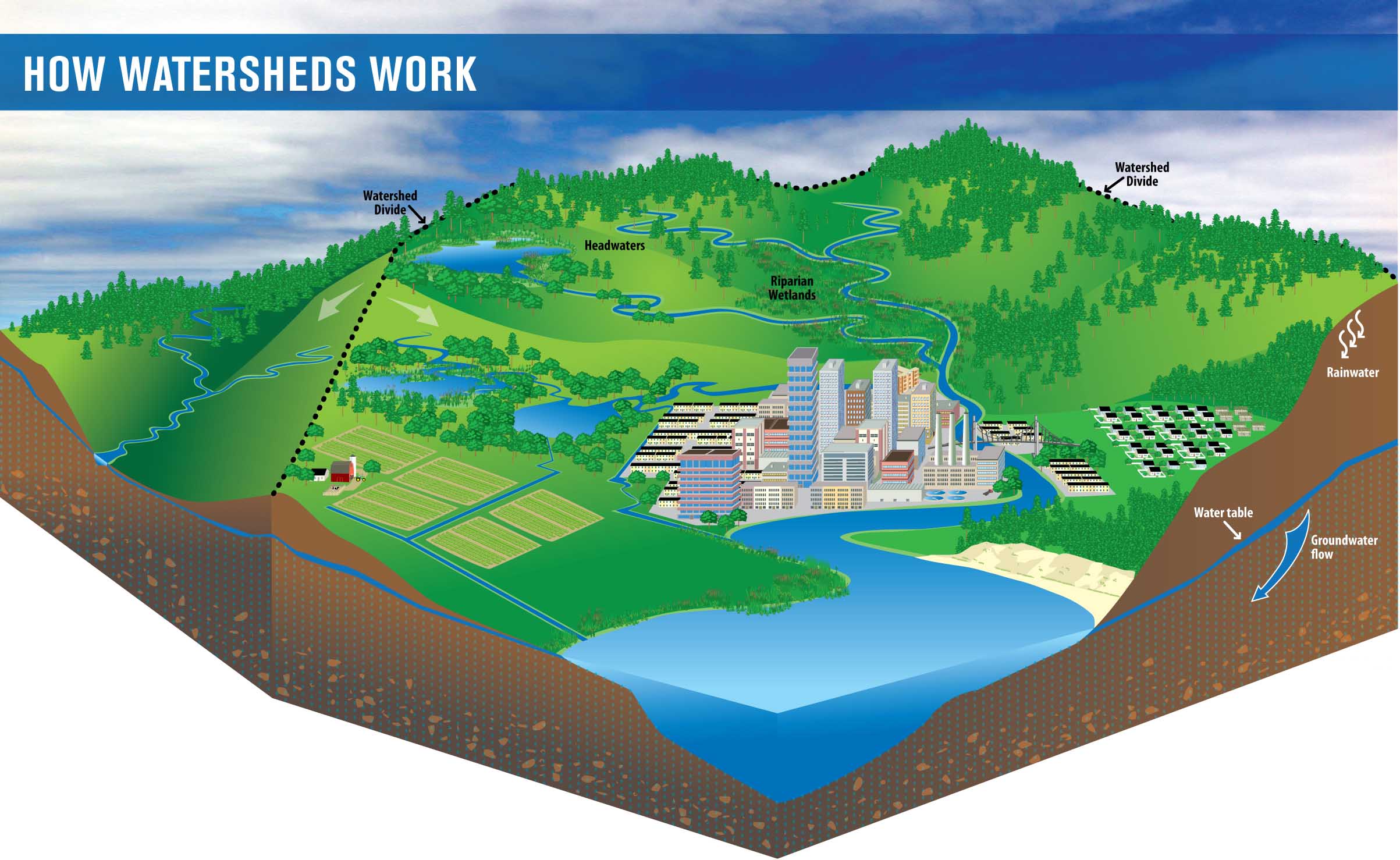
Water is life, and its scarcity threatens the very survival of rural communities who depend on land and agriculture for their livelihoods. Millions face water stress, land degradation, and failing crops, pushing families deeper into poverty and distress. Our watershed management initiatives restore hope by rejuvenating natural resources, ensuring every drop of water is conserved, and empowering communities to collectively protect their environment. Through participatory approaches, we enable vulnerable populations to reclaim their land, secure their water future, and build resilient livelihoods for generations to come.
Watershed Management
Sustainable management of water and natural resources is critical for agricultural productivity, ecological balance, and community resilience in rural landscapes. Watershed development through soil conservation, water harvesting, and participatory resource management ensures long-term availability of water while restoring degraded lands. Our integrated approach combines technical interventions with community capacity building, creating self-sustaining systems where local institutions effectively manage and conserve their natural resource base for future generations.
Integrated Watershed Management Program (IWMP - 3) – PIA
Implementing Natural Resource Management (NRM) and soil and water conservation activities across 724 hectares forms the project’s primary focus, alongside stakeholder awareness, capacity building on judicious natural resource use, livelihood enhancement, agricultural development, and women empowerment. Treatment interventions include farm bunding, graded bunding, and plantation activities designed to enhance soil fertility and increase water retention levels across the designated area.
Community-Based Organizations including Village Watershed Committees (VWC), Water Users Associations (WUA), Self Help Groups (SHGs), and Joint Liability Groups (JLGs) were established and strengthened through training programs and exposure visits. Agricultural interventions aim to boost crop productivity and expand irrigated areas, while women’s SHGs receive financial and technical support to achieve economic self-reliance.
Project Training Organization (PTO – IWMP -3, 10, 28)
Supported by VASUNDHARA through YASHADA – Pune, this component of IWMP orients stakeholders on various works to be undertaken along with associated costs. Community-Based Organizations, watershed communities, and beneficiaries receive capacity building through training sessions and exposure visits, ensuring active community participation in water resource conservation and judicious utilization.
Training programs for Village Watershed Committees, User Groups, and other stakeholders sensitize participants about responsible water resource management. Technical training covers various watershed structures including Continuous Contour Trenches (CCT), Gabion plugs, Watershed Assessment Tools (WAT), gully plugs, earthen bunds, farm ponds, and farm bunding techniques.
MGNREGS Social Audit
Field-level verification of works executed by Gram Panchayats under MGNREGS forms the project’s core mandate, examining wage opportunities, work quality, and documentation accuracy. Comprehensive field inspections assessed work-related records including Gram Sabha proceedings, resolutions, meeting books, measurement registers, voucher books, procurement registers, and demand books. Findings were presented before community members, with complaints and aspirations documented and submitted in written and electronic format to the CEO, Zilla Parishad, and District Collector, Wardha.